Unlocking Global Conversations: The Transformative Power of Advanced Translation Technology
Unlocking Global Conversations: The Transformative Power of Advanced Translation Technology
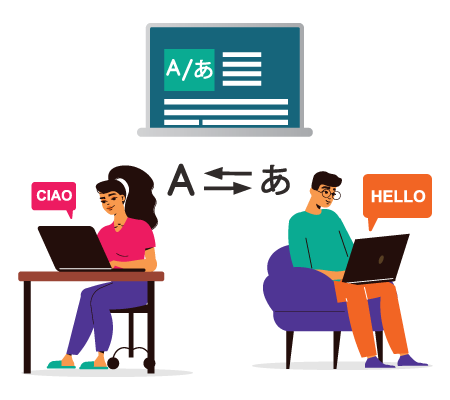
In an era defined by instant communication and global interconnectedness, translation technology has evolved from simple word-matching tools into sophisticated systems capable of capturing context, nuance, and cultural subtleties. The latest advancements in artificial intelligence and natural language processing are redefining how people across linguistic divides connect, collaborate, and understand one another. From real-time speech translation to nuanced literary rendering, modern translation platforms are bridging gaps that once seemed insurmountable.
At the core of this transformation is the rapid progression in machine learning models trained on vast multilingual datasets.
These systems no longer rely solely on literal word translation; instead, they interpret tone, intent, and cultural context to deliver more accurate and natural-sounding results. For example, a phrase that carries irony in Spanish may now be translated in English not just as a literal statement, but as “I’m not *that* excited” — preserving both meaning and emotional weight.
Today’s leading translation tools extend far beyond text. Video conferencing applications integrate real-time subtitle generation with speaker identification, enabling seamless dialogue across languages during international business meetings.
Voice recognition systems now support over 150 languages, including regional dialects and minority linguistic forms, while neural machine translation engines process documents in mere seconds with high fidelity. As one linguist notes, “The boundary between human and machine translation is blurring — and the quality gap is vanishing fast.”
Context Matters: Beyond Literal Translation to Cultural Intelligence
Modern translation technology excels not in transferring words alone, but in rendering meaning across cultural boundaries. A direct translation of idiomatic expressions often fails to convey the intended message, which is why state-of-the-art systems now incorporate semantic and pragmatic analysis.
These tools assess context — such as formality levels, regional variations, and social dynamics — to produce translations that sound authentic to native speakers.
For instance, consider the Spanish phrase “¡Qué chido!” commonly used in Mexican Spanish. While literally “how cool!”, its true meaning extends beyond simple admiration to convey enthusiasm or approval in informal settings. Advanced translation platforms detect such subtleties, rendering it appropriately as “That’s so cool!” or “Wow, that’s amazing!” depending on context.
Such precision prevents misunderstandings and deepens cross-cultural empathy.
Another critical development is the integration of domain-specific knowledge. Legal, medical, and technical translations demand strict accuracy; unlike casual conversation, specialized content requires terminology rooted in discipline-specific vocabulary and conventions. Machine learning models trained on tailored corpora now deliver expert-level accuracy, reducing risks and improving reliability across high-stakes fields.
The Human Touch: Collaboration, Not Replacement
Despite extraordinary progress, translation remains a collaborative process between technology and human expertise.
Automated systems excel in speed and scalability, but skilled linguists remain essential for quality assurance, refining outputs, and ensuring cultural appropriaten


Related Post
Melanie Hunter KCRA Bio Wiki Age Height Wedding Salary and Net Worth
Who Are Lacey Chaberts Siblings and What Happened To Her Sister
Yandy Smith Bio Wiki Age Husband Restaurant Skin Care and Net Worth

Brunny Ixl Is Revolutionizing Vocabulary Mastery with AI-Powered Learning


