The Hidden Science Behind Why We Say Yes: Unlocking the Psychology of Persuasion
The Hidden Science Behind Why We Say Yes: Unlocking the Psychology of Persuasion
Persuasion is not simply about convincing others—it is a complex interplay of human behavior shaped by deep psychological mechanisms. From advertising and sales to marketing and public policy, understanding how persuasion influences decisions can transform outcomes across domains. Rooted in decades of behavioral science, the psychology of persuasion reveals predictable patterns rooted in cognition, emotion, and social dynamics, exposing the subtle levers that guide human choice.
Foundational Principles: The Bedrock of Influence
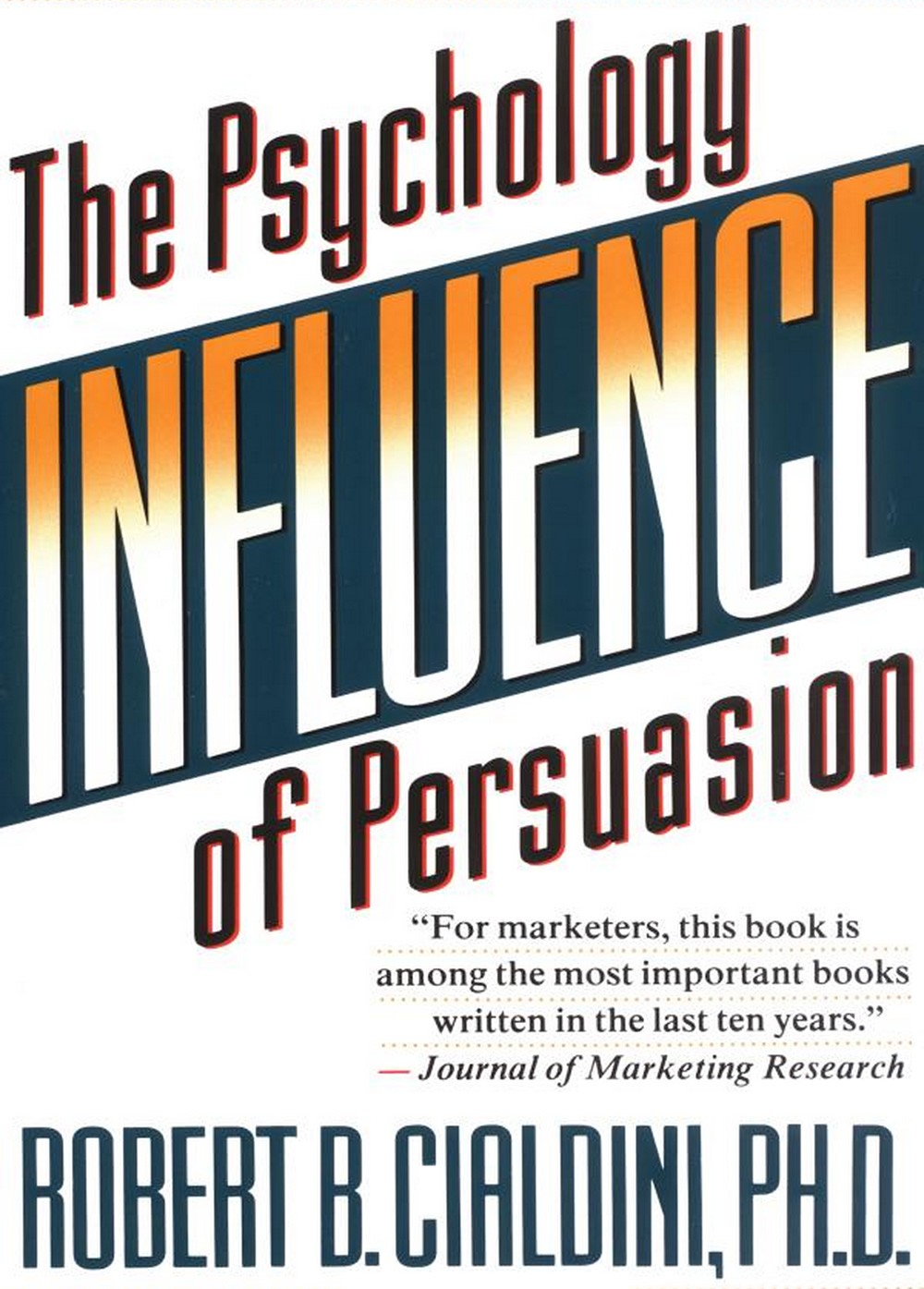
At the heart of persuasion lies a set of time-tested principles distilled from research in social psychology. One among the most influential is Robert Cialdini’s six-pillar framework: Reciprocity, Commitment and Consistency, Social Proof, Authority, Liking, and Scarcity. Each principle taps into inherent human tendencies, offering practitioners a roadmap for ethical influence.- **Reciprocity** hinges on the universal expectation that favors invite give-back. Studies show people are more likely to comply when they receive something first—whether a free sample or a kind gesture. - **Commitment and Consistency** leverage the desire to act in alignment with past behaviors.
Once someone publicly or privately commits, psychological pressure builds to maintain consistency, making follow-through more likely. - **Social Proof** capitalizes on our instinct to follow the crowd. People assume others’ actions provide clues about correct behavior—exploited in reviews, testimonials, and surge visuals of popularity.
- **Authority** points to our trust in credible experts; people are inclined to obey or accept messages from perceived specialists. - **Liking** arises from affinity—friends, people we find similar, or those who mirror us—breaching psychological barriers to influence. - **Scarcity** triggers urgency by limiting availability, triggering fear of missing out (FOMO), and accelerating decisions.
These aren’t mere tricks—they reflect deep psychological pathways that shape everyday choices, often outside conscious awareness.
Persuasion works not just because messages are crafted well, but because they align with fundamental mental shortcuts, or heuristics, that humans rely on daily. Cognitive load is a key factor: when individuals are mentally fatigued or overwhelmed, they default to rule-of-thumb judgments rather than deliberate analysis.
Persuaders who recognize this can deploy simplicity, repetition, and emotional resonance to guide decisions efficiently.
Emotion Over Logic: The Real Driver of Decision-Making
While rational arguments carry weight, emotion is the linchpin of persuasive communication. Neuroscientific research reveals that emotional experiences activate the amygdala and limbic system, regions central to feeling and motivation, often preceding rational deliberation in the brain’s decision-making hierarchy. Behavioral economist Daniel Kahneman’s dual-process theory reinforces this divide: System 1 thinking—fast, intuitive, emotional—dominates decision-making, while System 2—slow, logical—activates only when effort is invested.Persuaders who master emotional triggers—fear, hope, belonging—gain outsized influence. For instance: - Advertisers evoke nostalgia to trigger warm memories, embedding brands in emotionally safe zones. - Charities frame stories of personal struggle to spark empathy, overriding cognitive detachment.
- Product launches highlight transformation narratives rather than features, speaking to aspirational identity. “Emotions spoil logic—but they’re logic’s truest guide,” notes psychologist Paul Ekman, whose work on universal emotions underscores their predictive power. Ignoring emotional currents risks speaking past the audience—not just failing to persuade, but alienating.
Social dynamics further amplify persuasion’s power. Humans evolved in interdependent groups; we are hardwired to trust, conform, and seek acceptance. This drives the effectiveness of social proof and authority cues.
A 2010 study in the Journal of Consumer Research demonstrated that people are 300% more likely to follow advice from perceived experts—even when those experts are fake or fictional. Similarly, social media influencers harness perceived liking; followers perceive authentic connections and are more persuaded by voices that appear relatable and trustworthy. Scarcity, too, thrives on social and psychological urgency.
When scarcity signals like “limited stock” or “exclusive access” are paired with visible demand (e.g., “Others viewing this”), compliance spikes. Retailers exploit this daily—from flash sales to tiered access—capitalizing on the fear of being left out.
Ethics in Influence: Power with Responsibility
The potency of persuasion raises critical ethical considerations.When wielded responsibly, influence can improve decisions—encouraging healthier behaviors, civic participation, or sustainable choices. But manipulation—using hidden cues, exploiting cognitive biases, or spreading misinformation—undermines autonomy and trust. Ethical persuasion demands transparency, respect, and audience welfare.
Persuaders must ask: Does this message inform, empower, or exploit? By grounding influence in truth, consent, and empathy, organizations foster lasting credibility rather than short-term compliance.
Real-world applications of persuasion’s psychology span marketing, negotiation, education, and public health.
Be accompanied by structured techniques: - In marketing, personalized framing leverages liking and commitment—customized warnings (“Only 3 left in your size”) outperform generic alerts. - In negotiations, anchoring—presenting bold offers first—shapes subsequent concessions. - In public health, social proof campaigns (“7 out of 10 parents vaccinate their kids”) drive behavior change more effectively than data alone.
Experts emphasize consistency over coercion: influence flourishes when aligned with audience values, not imposed upon them.
The Future of Persuasion: Science Meets Strategy
As artificial intelligence and behavioral analytics advance, the science of persuasion evolves. Predictive modeling now identifies optimal influence windows in real time—tailoring messages based on user behavior, emotional states, and context.Yet core principles endure: humans remain guided by emotion, social cues, and cognitive ease. The most effective persuaders are not masters of manipulation, but skilled navigators of human psychology—using insight to connect, inform, and inspire. By understanding how and why people say yes, we gain not just influence, but responsibility: the power to shape choices that uplift, not exploit.
In the intricate dance of human connection, persuasion is not about dominance—it’s about alignment. The psychology of persuasion reveals that when messages resonate with who people are, what they feel, and what they need, influence becomes a force for meaningful change. Mastery lies not in trickery, but in empathy—the intelligent, ethical application of insight that honors both the influencer’s purpose and the autonomy of the influenced.



Related Post
Presenting the Famous Cast Of X-Men: Wolverine Across Eras
Unlocking Algebra’s Hidden Power: How the Binomial Formula Transforms Complex Policy and Finance Calculations
Miliastra Wonderland Keeps Disconnecting From Party Games: Analyzing the Shift in Digital Entertainment

Streamline Rent Payments with Nycha Rent Payment: The Future of On-Time Lease Settlements