The Future of Hybrid Energy Systems: Powering Tomorrow’s World
The Future of Hybrid Energy Systems: Powering Tomorrow’s World
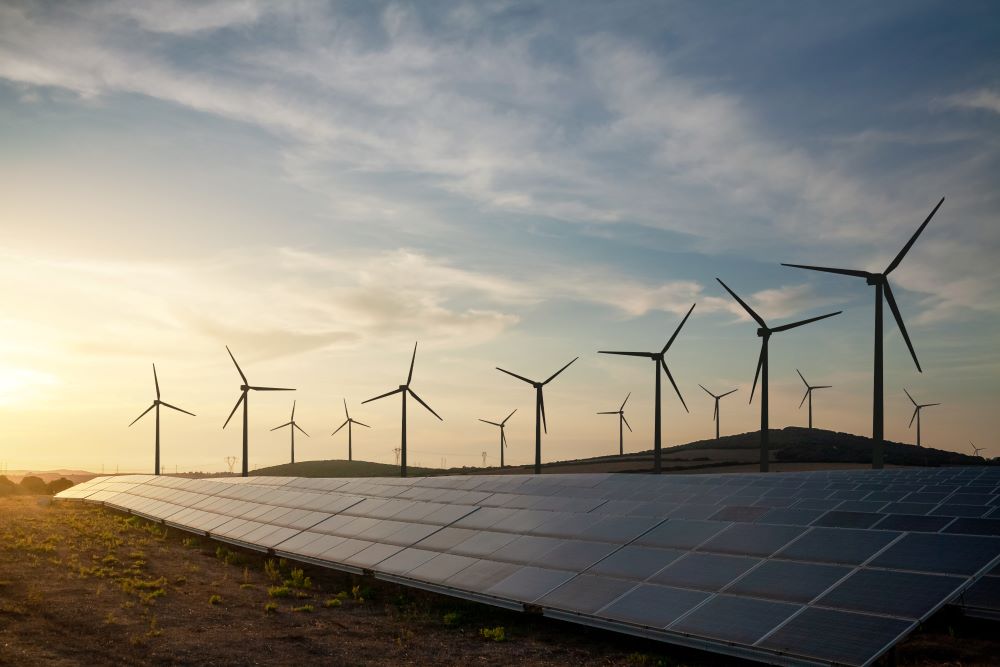
In an era defined by climate urgency and energy volatility, hybrid energy systems are emerging as the cornerstone of sustainable power solutions. Blending solar, wind, battery storage, and smart grid technologies, these integrated networks offer resilient, efficient, and low-carbon alternatives to conventional energy sources. By harmonizing disparate renewable inputs and leveraging digital monitoring and automation, hybrid systems are not just reducing emissions—they are redefining how energy is generated, stored, and distributed across homes, cities, and entire grids.
As the world accelerates its transition away from fossil fuels, understanding how hybrid energy works, its benefits, and its real-world applications becomes essential for stakeholders across industries. Critical Components of Hybrid Energy Systems At the core of every hybrid energy system lies a carefully engineered fusion of generation, storage, and control technologies. - **Renewable Generation**: Solar photovoltaic panels and wind turbines form the primary energy harvesters, with technology advancements rapidly improving conversion efficiency.
For example, modern bifacial solar panels capture sunlight from both sides, boosting output by up to 30%. - **Energy Storage**: Lithium-ion batteries dominate current deployments, but innovations in flow batteries and solid-state storage are expanding long-duration energy storage options. The ability to store surplus energy ensures reliability during periods of low generation.
- **Smart Energy Management**: Advanced software platforms optimize energy flow in real time, balancing supply and demand, integrating grid connections, and minimizing waste. These systems use AI and machine learning to predict weather patterns, consumption trends, and grid conditions— maximizing self-sufficiency and reducing reliance on backup fossil fuels. - **Grid Integration**: Whether operating in islanded mode or connected to a wider network, hybrid systems increasingly act as flexible, responsive nodes.
They provide ancillary grid services such as frequency regulation and demand response, strengthening overall system stability. Overcoming Intermittency Through Integration The fundamental challenge of renewable energy—its variability—is effectively mitigated through system hybridization. Solar and wind generation fluctuate with weather and time of day, yet combining them with storage creates a more consistent supply.
As Dr. Elena Torres, a senior energy engineer at the International Renewable Energy Agency (IRENA), explains: “Hybrid systems don’t just add reliability; they transform intermittency from a liability into a managed asset. By intelligently combining multiple sources and storage, we achieve 90%+ availability in well-designed installations.” This integration works through layered strategies: - **Complementary Generation**: Wind often peaks at night when solar production halts; pairing the two levels the energy output curve.
- **Peak Shaving**: Excess daytime solar power charges batteries that discharge during evening demand surges, reducing costly grid imports. - **Predictive Scheduling**: AI-driven control systems forecast multiple variables—weather, electricity prices, consumption patterns—to optimize when to use stored energy, discharge batteries, or sell power to the grid. Real-World Success Stories Across the globe, hybrid energy projects demonstrate tangible benefits.
In remote Australian outback communities, microgrids combining solar, wind, and battery storage have replaced diesel generators, cutting fuel costs by over 70% and slashing carbon emissions. In Denmark, the island of Samsø operates as a near-100% renewable community using hybrid wind and biomass systems, serving as a model for decentralized energy autonomy. Municipal-scale deployments illustrate broader scalability.
Los Angeles Department of Water and Power recently activated a 200-megawatt hybrid facility integrating rooftop solar, utility-scale wind, and large-scale flow batteries. This system delivers continuous clean power across 150,000 homes, proving that hybrid technology supports both environmental and economic objectives.
Economic and Environmental Returns
Far more than technological marvels, hybrid systems deliver compelling economic value.Levelized costs for solar-plus-storage projects have declined by over 85% in the past decade, making them cheaper than standalone systems in many regions. According to BloombergNEF, hybrid plants now attract investment at a net present cost as low as $25–$40 per megawatt-hour, competitive with fossil fuels. Environmentally, the impact is profound.
A single modern hybrid facility can avoid hundreds of thousands of metric tons of CO₂ annually—equivalent to taking tens of thousands of cars off the road. As the U.S. Department of Energy notes, “Hybrid energy systems provide the flexibility required to deepen decarbonization without compromising reliability.” While high upfront infrastructure costs remain a barrier, government incentives, declining storage prices, and improved financing models are rapidly lowering entry thresholds.
Public-private partnerships are also accelerating adoption, especially in developing nations where energy access gaps persist.
“Hybrid systems aren’t just about adding batteries to solar farms—they’re about creating intelligent, responsive ecosystems of energy,” — Dr. Rafael Mendez, senior scientist at the National Renewable Energy Laboratory.
Yet in nearly every tested context, the verdict is decisive: hybrid energy systems deliver superior resilience, lower emissions, and stronger return on investment compared to legacy models. Looking ahead, hybrid energy is evolving beyond standalone plants to become integral components of smart cities and decentralized microgrids. Advances in power electronics, distributed control, and sector coupling—linking electricity with heating, transport, and industry—expand the scope of integration.
The future belongs to energy systems that learn, adapt, and optimize across time and space. In sum, hybrid energy systems stand at the forefront of the clean energy revolution—not merely as a technical solution, but as a transformative force reshaping how humanity powers progress in an unpredictable world. Their convergence of sustainability, efficiency, and economic viability marks a decisive shift toward a resilient energy future.



Related Post
Teresa Priolo Fox 5 Bio Wiki Age Height Husband Salary and Net Worth

Unlocking Efficiency: How the Cli Interface Transforms Data Workflows
Sophie Raine's Rise: Age, Achievements & Erome Rin Career Unveiled!

What Does New Mommy Really Mean? Unpacking the Hidden Layers Behind the Title


