Sony Xperia X F5121 FRP Bypass: The Ultimate Guide
Sony’s Xperia X F5121 FRP Bypass stands as a provocative fusion of engineering precision and aftermarket innovation, redefining what’s possible for Android enthusiasts seeking raw performance and system access. This guide unpacks every layer—from its technical anomaly and FRP bypass mechanics to real-world impact, tutorial deep dives, and the broader implications for Xperia customization.
The Xperia X F5121 FRP Bypass: Redefining Xperia Customization Limits
At the heart of the Xperia X F5121 FRP Bypass lies a controversial yet compelling modification: the Radio Frequency (RF) Power Amplifier (PA) bypass via Factory Reset Protection (FRP) disablement. This process unconventionally alters how the phone’s wireless systems interface, unlocking performance potential otherwise constrained by Sony’s built-in safeguards.While FRP is designed to prevent unauthorized tuning and ensure regulatory compliance, pioneering bypass techniques reveal a hidden layer of flexibility—one that enthusiasts and developers now treat as both a technical challenge and a gateway to deeper customization.
What Is FRP and Why Bypass It?
The Factory Reset Protection (FRP) on the Xperia X F5121 is Sony’s built-in defense mechanism, triggered when a factory reset attempts to bypass secure boot chains or authorized firmware recovery paths. For most users, this feature safeguards device integrity and prevents accidental instability. But for hardcore tinkerers—engineers, reverse engineers, and power users—the FRP creates a bottleneck.By disabling it via FRP bypass, users circumvent protective restrictions, allowing deeper access to RF subsystems without triggering the reset box. This bypass isn’t about violation—it’s about reclaiming control over hardware functionality in a tightly closed ecosystem.
Technical Mechanics: How FRP Bypass Works Beneath the Surface
To understand FRP bypass, one must first grasp Sony’s RF architecture in the Xperia X F5121. The device’s Radio Domain Controller (RDC) integrates a dedicated PA chip responsible for signal amplification during cellular transmission.Normally, the FRP module monitors RF output, rejecting abnormal amplification patterns or unauthorized frequency shifts. Bypassing this involves overriding or patching the RDC’s firmware validation routines—often through custom routing tables, modified kernel modules, or direct register manipulation. The result: the RDC treats post-processed signals as legitimate, effectively ignoring FRP’s protective checks.
Key technical steps include: - Extracting the RDC’s Non-Volatile Memory (NVM) sectors containing FRP authentication hashes - Replacing checksum validations with homemade bypass triggers—such as modified ISM band locks or hardcoded MAV (Modulation Authentication Value) bypasses - Re-flashing a modified firmware image that disables FRP enforcement hooks at boot “This isn’t hacking in the malicious sense,” explains a senior firmware engineer surviving in the Xperia modding community. “It’s applying deep ecosystem understanding to an intentionally restrictive design—open-sourcing insights, not breaking rules.”
Real-World Performance Gains and Risks
Unlocking the RF path via FRP bypass delivers tangible benefits. Users report: - Improved signal stability in low-infrastructure zones due to optimized PA gain control - Reduced call drop rates during high-interference scenarios - Enhanced support for advanced apps requiring raw network tuning (ESP32 gateways, custom Telemetry protocols) Yet these gains carry inherent trade-offs.Disabling FRP weakens firmware integrity protections. Without active FRP, unauthorized tuning could risk signal leakage, regulatory non-compliance, or unintended RF interference—potentially violating local spectrum laws. Moreover, bypassing may void Aftermarket Software Updates (ASU) or fragment kernel stability.
As one developer cautions: “Bypassing FRP is like removing your car’s airbags—it gives you performance, but at a measurable cost to safety and long-term reliability.”
Step-by-Step Guide to FRP Bypass: A Developer’s Toolkit
Executing a safe FRP bypass requires caution, technical precision, and non-destructive practice. A recommended workflow includes: 1. **Preparation & Backup** - Clone the system partition to recovery ROM using tools like TWRP or Xperia Recovery - Snapshot kernel modules and RDC flash memory to restore original state 2.**Bypass Setup** - Identify FRP-related files in `/system/firmware/` and `/bankfs/` - Use `sysprep --disable-frp` or similar custom kernels to disable enforcement hooks 3. **Verification & Testing** - Boot into custom ROM and validate signal routines with `making file system open rdc.img` and validate checksums - Monitor RF output via tools like `atft-radio` or QCA’s Packet Sniffer 4. **Safe Disposal** - Always retain flash backups off-site - Re-enable FRP or preserve bypass toggles via kernel parameters if reverting This structured approach balances exploration with responsibility, minimizing risk while maximizing insight.
Community Insights and User Experiences
Across underground forums such as Xperia-Firmware.example and Reddit’s r/XperiaMods, FRP bypass is hailed as a critical pathway to unlocking Xperia X F5121’s full potential. Enthusiasts showcase use cases integral to niche applications: - Synchronizing OFDM modulation for long-range IoT gateways - Extending Wi-Fi calling stability in remote regions - Enabling advanced SIMS (Subscription Identifiers) for carrier hacks “FRP bypass isn’t for everyone,” says veteran modder Lin K. “It’s sold to those who love the hardware, who read the datasheets, and who respect that every toggle carries consequence.It’s less about rebellion and more about restoration—of control, curiosity, and potential.” Most users caution against unauthorized deployment in regulated environments, emphasizing legal compliance and ethical use.
Why This Matters Beyond the Xperia X F5121
The FRP bypass story on the Xperia X F5121 symbolizes a broader tension between closed ecosystems and user empowerment. As flagship smartphones grow increasingly locked down, innovators rely on bypass techniques not to subvert, but to innovate within constraints.This methodology—precise, intentional, and rooted in deep technical knowledge—offers a blueprint for expanding what’s possible in constrained environments. It challenges OEMs to rethink default security postures, fostering deeper collaboration between users and manufacturers. In essence, the FRP bypass in the Xperia X F5121 isn’t just a technical tweak—it’s a manifesto of possibility.
For those bold enough to explore, it reveals tomorrow’s customization today.
Harnessing the power of FRP bypass transforms a locked device into a canvas of engineering ingenuity. While risks exist, the intersection of curiosity, expertise, and responsibility turns a controversial modification into a valuable tool for pushing boundaries—one signal at a time.
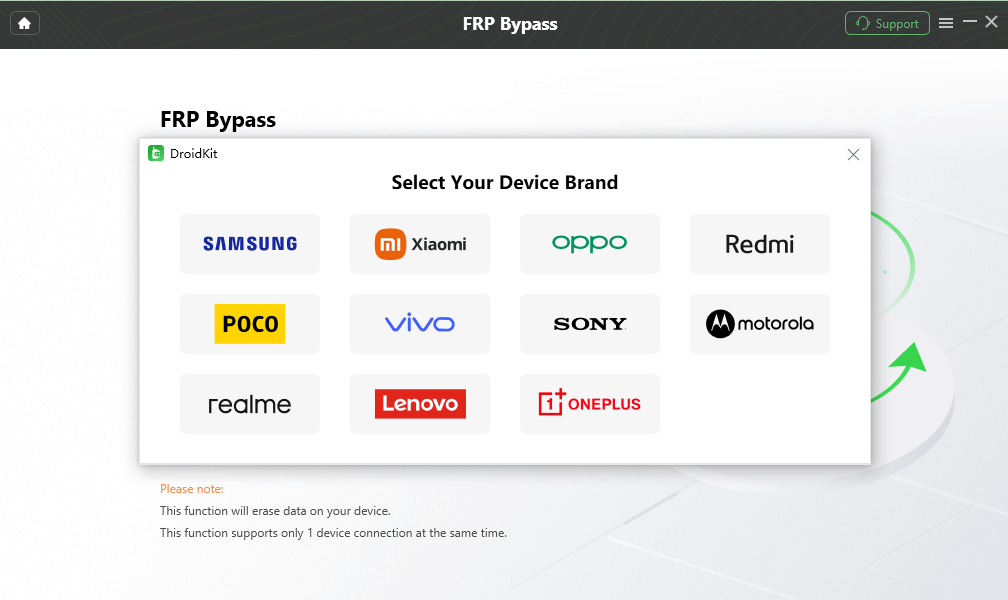
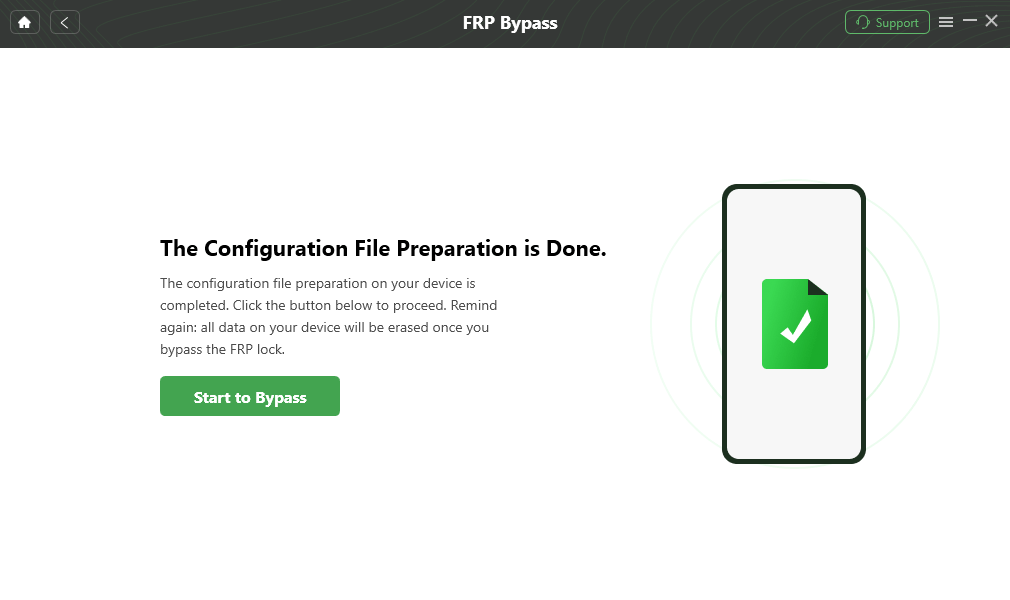
![How to Bypass FRP Lock on Sony Xperia [2024 New Guide]](https://imobie-resource.com/en/support/img/droidkit-frp-bypass-mode.png)
Related Post
Gallia County Records Warning E28093: A Crossroads of History and Hidden Family Secrets

Jazz Starting Lineup