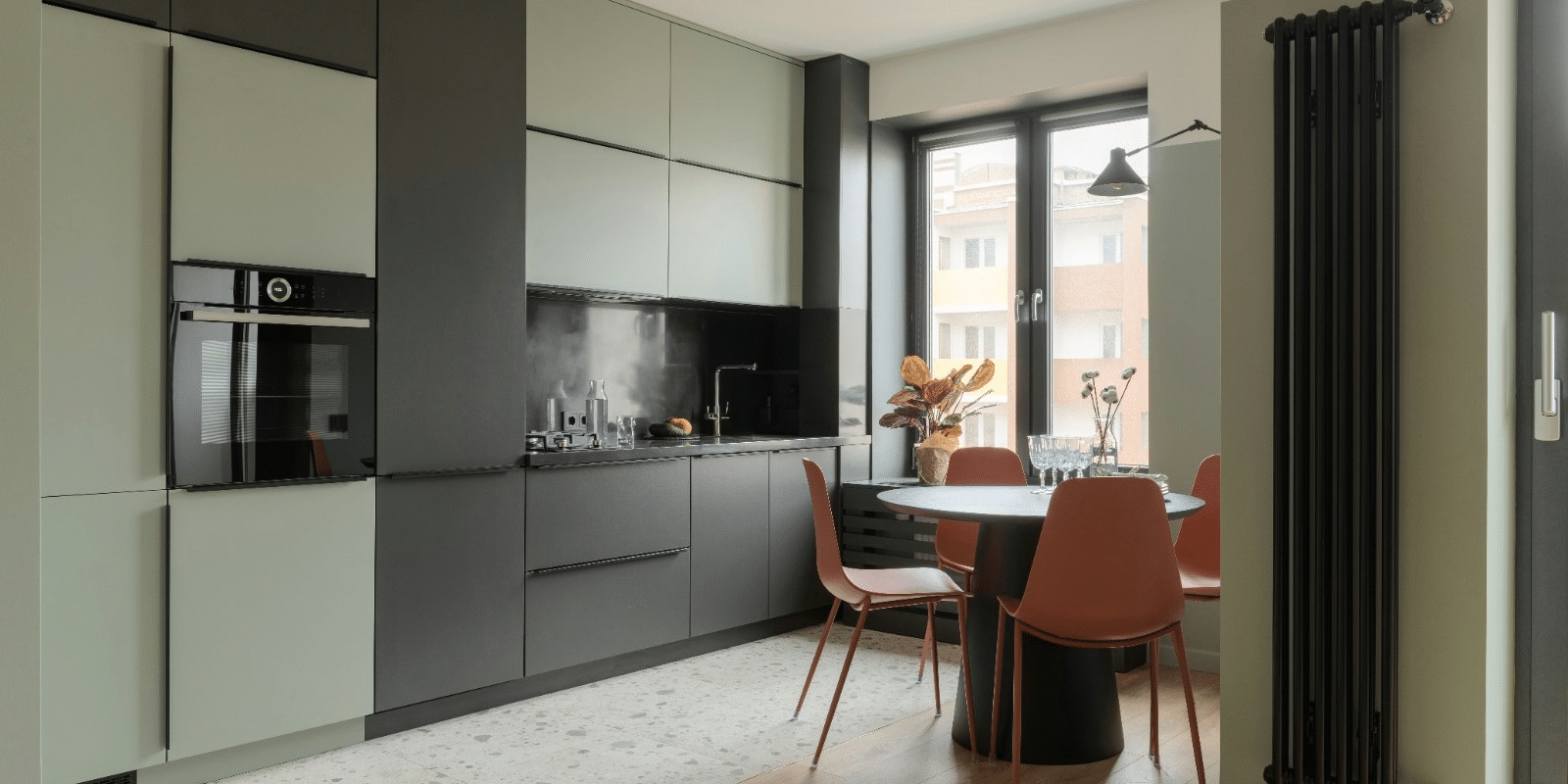
Revolutionizing Daily Life: How Smart Homes Are Reshaping Modern Living
Revolutionizing Daily Life: How Smart Homes Are Reshaping Modern Living
From voice-activated assistants turning on the lights to smart thermostats learning household rhythms, smart home technology is no longer a futuristic dream—it is the new standard. This transformation is not merely about convenience; it reflects a deeper integration of artificial intelligence, IoT (Internet of Things), and real-time data into everyday routines. As more households adopt connected devices, the line between home management and proactive lifestyle enhancement continues to blur, redefining what it means to live in a “smart” environment.
Defining the Smart Home: More Than Just Automation
The modern smart home encompasses a network of interconnected devices that communicate, adapt, and respond to human behavior without constant manual input.
Key components include smart lighting, climate control, security systems, home appliances, and voice-controlled assistants. These systems operate through centralized hubs or mobile apps, enabling remote monitoring and automated adjustments based on user preferences and environmental data.
Core Technologies Powering Smart Homes: - **IoT Connectivity:** Low-power wireless protocols like Zigbee, Z-Wave, Wi-Fi, and Bluetooth enable seamless device interoperability. - **Artificial Intelligence:** Machine learning algorithms analyze usage patterns, optimizing energy use and enhancing security through anomaly detection.- **Cloud Computing:** Remote data storage and processing allow devices to learn, sync across platforms, and enable cross-device integration. - **Human-Centric Design:** User-friendly interfaces and voice command support reduce technical barriers, making adoption accessible across ages and tech savviness levels.
Smart homes function through a decentralized yet coordinated ecosystem. For example, a smart thermostat equipped with occupancy sensors adjusts heating or cooling when a resident leaves the house, then automatically resumes comfort settings hours before return—learning both daily routines and external weather patterns.
Such systems now respond not just to commands, but to context, prior behavior, and even broad lifestyle trends.
Energy Efficiency: The Quiet Revolution Beneath the Lights
One of the most tangible benefits of smart home technology lies in its impact on energy consumption. According to the U.S. Department of Energy, smart thermostats alone can reduce household energy use by up to 10% annually, translating to hundreds of dollars saved each year.
Smart lighting systems, using motion sensors and ambient light detection, eliminate unnecessary power draw—turning off lights in unoccupied rooms or dimming during daylight hours. Grid-responsive appliances further amplify these savings by scheduling heavy-duty tasks like laundry or dishwashing during off-peak hours, reducing strain on power infrastructure and lowering utility costs.
Smart cooling and heating systems exemplify how real-time data drives efficiency. These devices adjust settings based on real-time outdoor temperatures, indoor occupancy, and even user-preference profiles.
A 2023 study by the Smart Home Alliance found smart HVAC systems reduce annual heating and cooling expenses by an average of 25%, directly contributing to both economic savings and reduced carbon footprints.
Enhanced Security: Smart Homes as Personal Guardians
Smart home security systems transform passive dwellings into active protectorates. Doorbell cameras with two-way audio, motion-activated floodlights, and AI-powered alarms detect and deter intruders faster than traditional setups. Law enforcement reports indicate smart security integrations have reduced residential break-ins by nearly 40% in neighborhoods where adoption is widespread.
- Smart door locks grant temporary access via coded codes or smartphone credentials, eliminating lost keys and shared access risks.
- Integrated surveillance with cloud storage enables remote monitoring and instant alerts stripped direkt to mobile devices, even during travel.
- AI-driven video analytics distinguish between routine activity and suspicious behavior, reducing false alarms and improving response accuracy.
- Privacy safeguards, such as encrypted data transmission and user-controlled data deletion, are increasingly prioritized in latest device models.
Beyond physical safety, smart home platforms now monitor indoor air quality, track medication schedules for elderly residents, and issue health alerts—extending home security into holistic wellbeing protection.
These systems integrate with medical devices and wellness apps, providing caregivers and healthcare providers with real-time insights to intervene proactively.
Home Automation and Lifestyle Integration: Personalizing the Everyday
Smart homes do more than save energy or enhance security—they adapt to personal rhythms and preferences, turning dwellings into responsive environments. Voice-activated assistants, for instance, streamline daily tasks: setting reminders, checking weather forecasts, playing curated playlists, or controlling multiple devices with single commands. A 2024 survey by Consumer Technology Association found 68% of smart home users report increased daily convenience, with 42% citing reduced mental clutter from fragmented manual controls.
Daily life becomes more seamless through anticipatory automation.
Imagine waking to automatically adjusted room lighting synced with sunrise times, a fresh cup of coffee brewed by smart appliances precisely when needed, and drafts sealed as weather forecasts predict cold fronts—all without manual input. Picture a home that learns when to lower the temperature before you return from work, or when to initiate laundry cycles to align with off-peak electricity costs. These features collectively reduce decision fatigue while elevating comfort.
Children benefit from smart learning environments with adaptive educational tools, where interactive displays track progress and suggest tailored activities.
For aging in place, smart homes provide discreet yet powerful support—monitoring vital signs, detecting falls, or reminding users to take medication, thereby enabling independent living longer.
Challenges and Considerations: Privacy, Interoperability, and Accessibility
Despite transformative advantages, smart home adoption faces pressing challenges. Chief among them is data privacy: connected devices collect vast amounts of behavioral data, raising concerns over surveillance, hacking risks, and third-party data sharing. The 2023 Cybersecurity Report for Smart Living underscores that nearly half of smart home devices are vulnerable to exploitation without regular firmware updates.
Users must prioritize devices with end-to-end encryption and transparent data policies. p>
Interoperability remains another hurdle. Though industry standards like Matter aim to unify IoT ecosystems, fragmentation persists.
A living room may require separate apps for lighting, audio, and climate controls if devices operate on non-compatible platforms. This silo effect limits user control and increases complexity.
Cost and digital literacy also influence adoption. High-quality smart systems often demand significant upfront investment, and older residents or less tech-savvy individuals may face steep learning curves.
Manufacturers and policymakers must advance affordable entry points and inclusive design to broaden access.
Additionally, reliance on stable internet connectivity exposes smart homes to outages. While local processing reduces cloud dependence, resilient offline functionality remains limited across many devices, risking partial system failure during network disruptions.
The Future of Smart Homes: Toward Seamless, Intuitive Living
As artificial intelligence matures and connectivity deepens, the smart home is poised to evolve from reactive automation to truly anticipatory intelligence. Emerging technologies like edge computing will enable faster local data processing, minimizing latency and reducing cloud dependency.
Machine learning will refine behavioral predictions, allowing homes to adjust lighting, temperature, and security in real time with minimal user input—often before requests are even spoken aloud.
Integration with broader smart city infrastructures will further enhance functionality. Imagine energy grids dynamically balancing household demand with renewable supply, or municipal systems sharing weather and traffic data to optimize home comfort and efficiency at scale. Open, interoperable standards will break down silos, enabling true ecosystem harmony across devices, neighborhoods, and cities.
Privacy safeguards will become foundational.
Stronger encryption, decentralized data storage, and user-centric consent mechanisms will emerge as ethical imperatives, ensuring smart homes empower rather than monitor. As technology advances, the ultimate vision remains clear: a home that anticipates needs, enhances wellbeing, and adapts effortlessly to the rhythm of daily life—without sacrificing control or security.
Smart homes are not just reshaping how we manage spaces; they are redefining lifestyle expectations. With evolving technology, woven privacy protections, and growing accessibility, the smart home continues its quiet revolution—one room, one system, one life at a time.